Apple iPhone 17
- MC Solution BD
- June 19, 2025
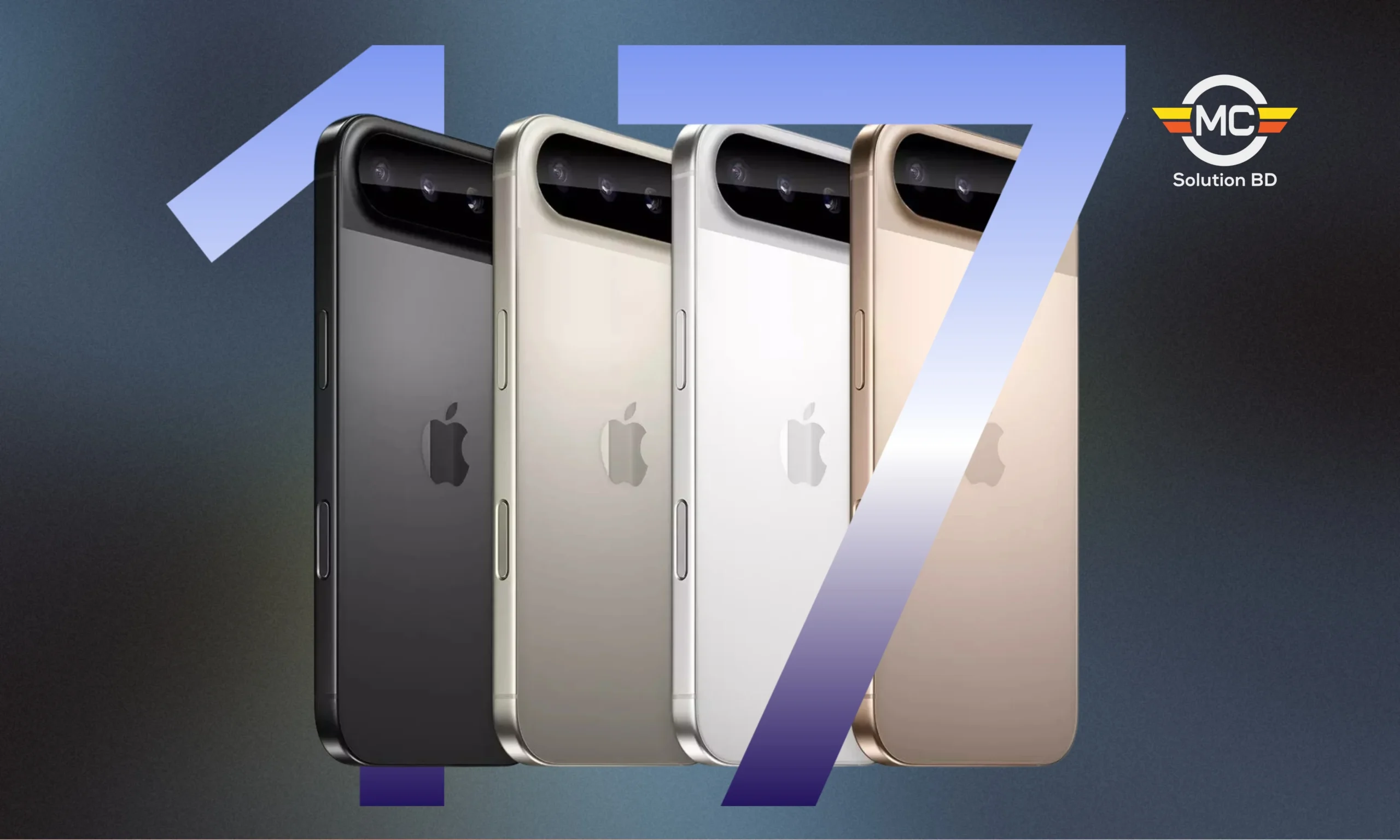
iPhone 17 Series Rumors – What We Know So Far
Apple hasn’t said a word officially, but the internet is already full of leaks, dummy unit videos, and supply chain reports about the iPhone 17. And honestly, what’s been shared so far looks like one of the bigger iPhone updates in years.
If you’re in Bangladesh and wondering whether to wait for the iPhone 17 or just grab an iPhone 16 now – this breakdown is for you. Here’s everything that’s been rumored so far, sorted out in one place.
The Lineup: Four Models, One Big Change
Apple is expected to release four models this year:
- iPhone 17
- iPhone 17 Air (new)
- iPhone 17 Pro
- iPhone 17 Pro Max
The biggest news here is that the iPhone Plus is gone. It never sold particularly well, and Apple is replacing it with the all-new iPhone 17 Air – a thinner, lighter alternative that sits between the base model and the Pro in terms of price
iPhone 17 Air: The Most Talked – About Model
The Air is getting the most attention, and for good reason. It’s reportedly going to be the thinnest iPhone Apple has ever made – somewhere between 5.5mm and 6.25mm thick. For comparison, the iPhone 6 (previously the thinnest) was 6.9mm.
Here’s what’s rumored for the Air:
· Display: Around 6.6 inches
· Thickness: ~5.5mm – 6.25mm depending on the source
· Weight: Roughly 145 grams – similar to the old iPhone 13 mini
· Camera: Single 48MP rear lens (centered on the back, not in the corner)
· Chip: A19 (possibly)
· RAM: 12GB
· 5G Modem: Apple’s own in-house modem – a first for any iPhone
· Wi-Fi: Apple-designed Wi-Fi 7 chip
· No SIM tray – eSIM only, partly because of the slim body
The centered rear camera is a pretty bold move for Apple. Every iPhone before this has had the camera in the corner. Early dummy models (used by case makers based on supply chain info) confirm this change.
The Air is expected to start around $899 USD – so in Bangladesh, expect it to be priced above the base iPhone 17 but below the Pro.
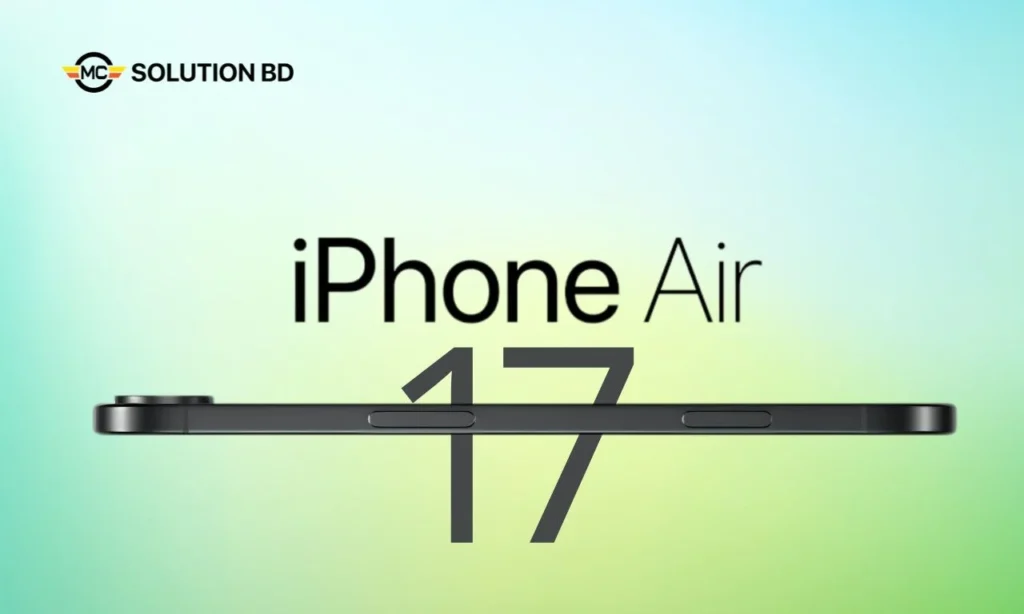
Display Sizes Across the Lineup
Here’s how the display sizes are expected to stack up:
Model | Display Size |
iPhone 17 | 6.3 inches (up from 6.1″) |
iPhone 17 Air | ~6.6 inches |
iPhone 17 Pro | 6.3 inches |
iPhone 17 Pro Max | 6.9 inches |
This positions the iPhone 17 Air perfectly between the Pro and Pro Max in size.
120Hz for Everyone – Finally
Since 2021, ProMotion (120Hz) has been a Pro-only feature. That’s changing with the iPhone 17. All four models are expected to get:
- 120Hz ProMotion displays
- LTPO OLED panels (same tech used in the Pro models today)
- 30% brighter screens on the base and Air models
Always-on display might also come to all models, but that one hasn’t been confirmed yet – it could still stay Pro-exclusive.
New Materials and Build Quality
Apple might be experimenting with build materials:
- Pro models could swap titanium for aluminium.
- Expect a hybrid glass-aluminum exterior for improved durability
- MagSafe charging support will remain intact
- A new horizontal camera bump may replace the iconic square design on several models
Camera Upgrades
Front camera: All four models are getting a 24MP front camera. That’s double what current non-Pro models have.
Rear cameras by model:
Model | Rear Camera Setup |
iPhone 17 Air | Single 48MP lens |
iPhone 17 | 48MP Wide + Ultra Wide (dual) |
iPhone 17 Pro | Triple 48MP (Wide + Ultra Wide + Telephoto) |
iPhone 17 Pro Max | Same triple setup + 8K video support |
Pro models are also rumored to get variable aperture – the ability to adjust how much light enters the lens, similar to what you’d get on a proper camera.
iPhone 17 Pro & Pro Max: Design Changes
The Pro models are getting their own significant redesign:
- Frame material: Switching from titanium back to aluminium (lighter, better shock absorption)
- Back panel: Half aluminium (top), half glass (bottom for MagSafe/wireless charging)
- Camera bump: Larger, possibly horizontal layout – though there’s some disagreement between leakers on the exact shape
- Vapor chamber cooling: A first for iPhone – helps manage heat during gaming or heavy use
- RAM: 12GB across Pro and Pro Max
Jon Prosser shared renders showing a wide horizontal camera bar on the Pro. Mark Gurman from Bloomberg pushed back, calling it likely inaccurate. Case leaks, though, do confirm a noticeably larger camera cutout. Something is definitely changing there.
Chip, RAM & Connectivity
- iPhone 17 Pro / Pro Max:A19 Pro chip (3nm, TSMC N3P process)
- iPhone 17 / Air:A19 or possibly A18 – rumors are split
- RAM:12GB on Pro, Pro Max, and Air – base model may stay at 8GB
- Wi-Fi:All models get Apple’s own Wi-Fi 7 chip (replaces Broadcom)
- Bluetooth:3 on all models
- 5G:Air gets Apple’s in-house modem; other models keep Qualcomm
Battery & Charging
No major charging speed upgrade is expected – wired charging stays at around 35W. Wireless charging, however, may support Qi 2.2 which allows up to 50W (though Apple may not enable the full speed at launch).
One welcome change: easier battery replacement across all models, using low-voltage adhesive strips instead of traditional glue. Better for repairs, better for the environment.
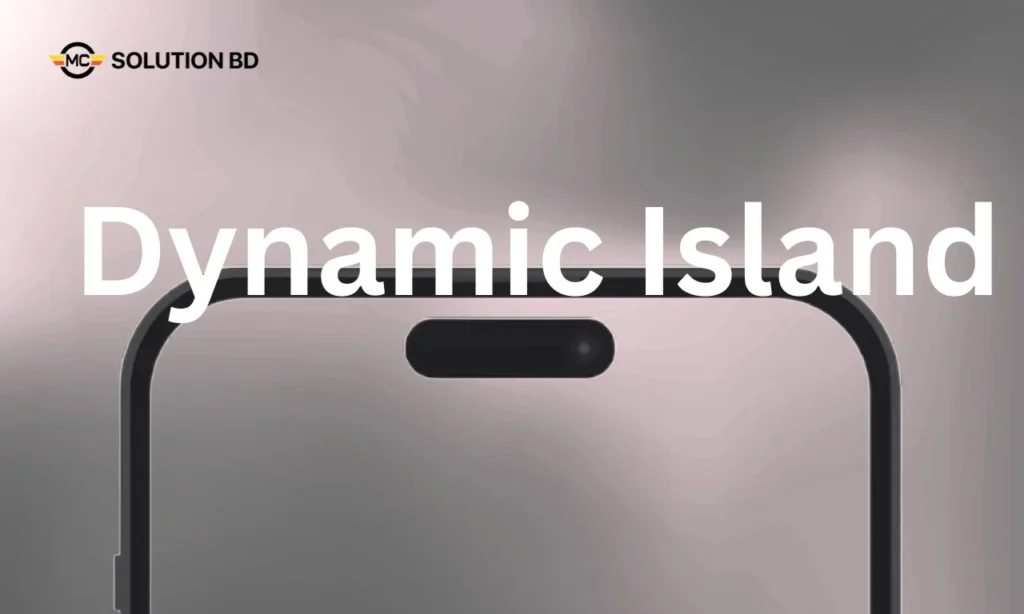
Dynamic Island: Will It Shrink?
There’s some disagreement in the rumor mill:
- Jeff Pu: Believes metalens Face ID tech will allow a smaller Dynamic Island on all models.
- Ming-Chi Kuo: Predicts no major changes, with the same size notch as iPhone 16.
If Pu is right, we might see a cleaner, more modern front display across the lineup.
Spotlight on iPhone 17 Air: Apple’s Thinnest iPhone Yet
Among all the iPhone 17 models, the iPhone 17 Air is shaping up to be the most revolutionary. Internally referred to as “iPhone 17 Slim” by some sources, this ultra-thin device is expected to redefine Apple’s smartphone design language.
Ultra-Thin Profile: Just 5mm–6mm Thick
The iPhone 17 Air could be the thinnest iPhone Apple has ever made, with multiple credible sources offering thickness estimates:
- Mark Gurman (Bloomberg): ~6.25mm (2mm thinner than iPhone 16 Pro)
- Ming-Chi Kuo: ~5.5mm at its thinnest point
- Jeff Pu: Around 6mm
- Dummy units: ~5.5mm
For context, the previous thinnest iPhone—the iPhone 6—measured 6.9mm, making this a substantial leap in engineering.
Redesigned Chassis & Display Size
The display is rumored to fall between 6.55 and 6.65 inches, slotting between:
- iPhone 17 Pro (6.3″)
- iPhone 17 Pro Max (6.9″)
That gives the iPhone 17 Air a “just right” display size that balances usability and portability. At around 145 grams, it will be as light as the iPhone SE 2 or iPhone 13 mini, making it ideal for those who prefer compact phones.
Camera Repositioned to Center
One of the boldest rumored changes: the rear camera may move to the center of the back panel, a rare design move for Apple. Early leaks and dummy models show a large, centered camera bump, departing from Apple’s long-standing corner placement.
Small Hardware Tweaks for a Thin Body
To accommodate such a slim form factor, Apple is reportedly making several design compromises:
- USB-C Port: Shifted closer to the rear (not centered front-to-back)
- Speaker Grilles: Just two holes per side of the port, down from five
- Camera Control Button & Action Button: Still present
- Supports MagSafe charging: Despite the compact profile
These fine adjustments are necessary to maintain Apple’s feature set while slimming down the chassis.
First Look: Dummy Models Confirm Changes
Dummy models—often used by case makers based on supply chain leaks—offer the most tangible look at what’s to come. In video demos, the iPhone 17 Air is shown with:
- A centered camera bump
- Sleek sides
- Thinner bezels
- Slightly relocated ports
This suggests that the Air will not only be the lightest and thinnest but also among the most visually distinct iPhones in years.
iPhone 17 Pro & Pro Max: Major Redesigns in the Works
The iPhone 17 Pro and iPhone 17 Pro Max are set to receive some of the most significant design changes we’ve seen in Apple’s premium phones since the iPhone X.
Frame Material: From Titanium Back to Aluminum
In a surprising move, Apple may ditch titanium and return to aluminium frames for its Pro models—marking the first time a high-end iPhone has used aluminium since the iPhone 7. While titanium brought strength and a premium feel, aluminium offers:
- Lighter weight
- Improved shock absorption
- Lower manufacturing costs
Half-Glass, Half-Aluminum Rear Design
The back of the iPhone 17 Pro and Pro Max will reportedly be a combination of:
- Aluminum (top half)
- Glass (bottom half) to support wireless charging and MagSafe
This hybrid design could increase drop durability while still supporting key features.
Redesigning the Camera Bump: What to Expect
The most visible change may be the larger, rectangular (or pill-shaped) camera module:
- Made from aluminum
- Possibly elongated oval or pill-shaped
- Potential horizontal alignment of lenses
But Wait… Will That Break Spatial Video?
Currently, spatial video recording uses two vertically aligned lenses (Wide + Ultra Wide). A horizontal layout would disrupt this format unless Apple:
- Redesigns its camera tech
- Uses new computational tricks (e.g., Gaussian splitting)
- Or opts not to redesign the camera layout as rumoured.
This technical hurdle introduces doubt about the accuracy of horizontal lens alignment rumours.
Conflicting Rumors: CAD Files vs Renders
- Jon Prosser shared renders of a Pro model with a large horizontal camera bar—claiming it’s based on a real prototype.
- Mark Gurman (Bloomberg) disagreed, stating it was likely a fake CAD leak.
- Case leaks, however, confirm a much larger camera cutout on the Pro models.
Whether it’s an elongated pill, horizontal bar, or a new triangular formation, a major camera layout shift seems imminent.
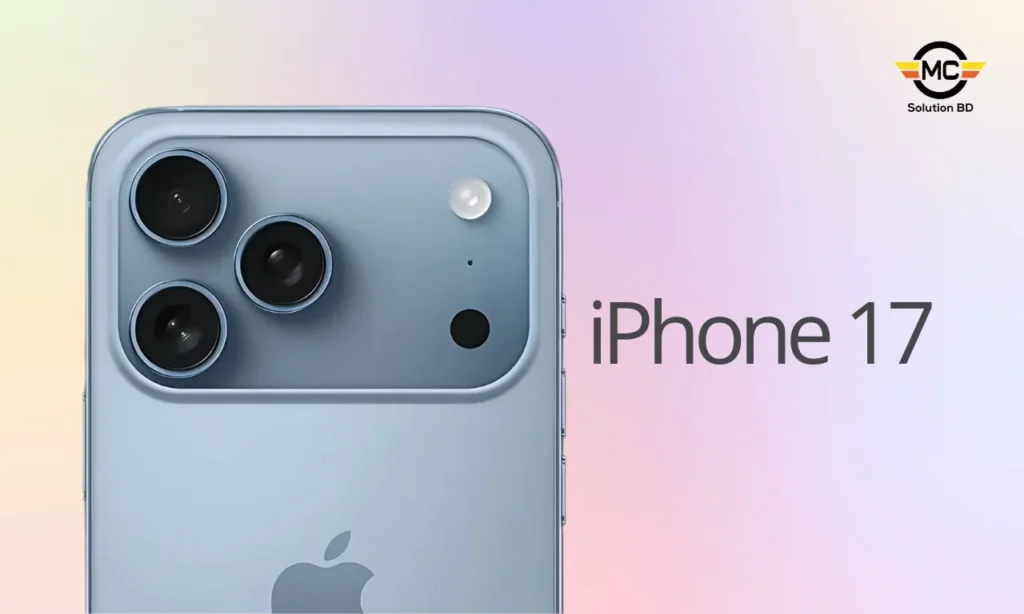
Revolutionary Thermal Upgrades in the iPhone 17
Apple is taking a serious leap in managing heat for its next-gen smartphones. According to several reliable leaks, the iPhone 17 Pro models will feature vapor chamber cooling technology, marking a first for the iPhone lineup.
What is Vapor Chamber Cooling?
Vapor chamber technology works by spreading heat more evenly across a larger area. This innovation helps prevent performance slowdowns caused by overheating—something Apple users have occasionally noticed during intensive gaming or prolonged video editing.
The vapor chamber will likely enhance the performance stability of the new A19 chip, especially under heavy workloads.
Will It Be a Pro-Only Feature?
While initially rumored for the Pro variants, there’s growing speculation that Apple might expand vapor chamber cooling across the entire iPhone 17 lineup, including the iPhone 17 and iPhone 17 Air. If true, that would be a major win for all users—not just Pro customers.
Display Enhancements Set to Impress
Apple’s upcoming iPhone 17 lineup will also see significant upgrades in display technology, aiming to bring Pro-level quality to non-Pro models.
OLED Brightness and Longevity Boost
The iPhone 17 and iPhone 17 Air will adopt OLED panels used in the current iPhone 16 Pro models, sourced from Samsung. These upgraded screens deliver:
- 30% increased brightness
- Improved longevity
- Enhanced visual clarity for outdoor viewing
This update means even the more affordable models will offer a premium viewing experience.
Scrapped Anti-Reflective Coating
Originally, Apple planned to introduce a scratch-resistant, anti-reflective display coating on the Pro models. However, challenges in manufacturing at scale led to the cancellation of this feature—for now. It’s possible it might return in future iterations once the tech becomes more feasible.
ProMotion and Always-On Display for All Models
Since 2021, the 120Hz ProMotion display has been exclusive to Pro iPhones. That’s about to change.
ProMotion Comes to Every iPhone 17
In a move that blurs the line between Pro and non-Pro, Apple is reportedly adding ProMotion support to all iPhone 17 models, including the base and Air variants.
What does ProMotion offer?
- Ultra-smooth scrolling
- Enhanced video playback
- Seamless animations
- Dynamic refresh rates from 1Hz to 120Hz
Thanks to low-temperature polycrystalline oxide (LTPO) technology, these displays balance high refresh performance with power efficiency.
Always-On Display: A Maybe
With all models gaining ProMotion, there’s a strong chance that always-on display functionality might become standard. However, Apple hasn’t confirmed this yet, and it could still remain a Pro-only feature.
A-Series Chip: A19 and Beyond
At the heart of every iPhone lies its A-series chip, and the iPhone 17 lineup will continue the tradition of cutting-edge performance.
A19 Chipset for Next-Level Speed
- iPhone 17 Pro and Pro Max: Expected to feature the A19 Pro chip
- iPhone 17 and iPhone 17 Air: May get the standard A19—or possibly stick with the A18, based on some rumors
Even without the much-anticipated 2nm technology, Apple’s A19 chip—built on TSMC’s refined N3P 3nm process—is poised to offer:
- Greater energy efficiency
- Faster processing
- Higher transistor density
TSMC is set to begin mass production of N3P chips in late 2024, aligning perfectly with the iPhone 17’s release cycle.
Performance Boosts: RAM, Modem, and Custom Connectivity Chips
RAM Upgrades: 12GB Coming to More Models
With the iPhone 17 series, Apple is poised to deliver a serious memory upgrade. The iPhone 17 Pro, Pro Max, and Air models are expected to come with 12GB of RAM, up from the 8GB in the iPhone 16 series.
This increase will mean:
- Better multitasking
- Smoother app switching
- Enhanced performance for advanced photography and video editing
As for the standard iPhone 17, it may stay at 8GB RAM—though if Apple’s supply chain allows, it might be bumped up to 12GB as well.
Apple’s First 5G Modem Debuts in the iPhone 17 Air
Another milestone for Apple is the debut of its in-house 5G modem, which will first appear in the iPhone 17 Air.
Unlike current Qualcomm modems, Apple’s chip supports up to 4Gb/s download speeds, though it lacks support for ultra-fast mmWave 5G. Instead, it’ll operate exclusively on sub-6GHz 5G, which still delivers solid coverage and speed.
The rest of the iPhone 17 lineup will continue using Qualcomm’s latest 5G modems.
Connectivity and Structural Design Changes
SIM Tray Removal Expands Globally
Starting with the iPhone 14 in the U.S., Apple began removing physical SIM trays in favor of eSIM. Now, with the iPhone 17, Apple is expanding this move to more international markets.
While the specific countries haven’t been disclosed yet, it’s confirmed that the iPhone 17 Air will not have a SIM tray at all, likely due to its ultra-thin design.
Apple’s First Custom Wi-Fi Chip with Wi-Fi 7
For the first time, all iPhone 17 models will feature Apple-designed Wi-Fi chips, supporting the cutting-edge Wi-Fi 7 standard. Benefits include:
- Multi-band support (2.4GHz, 5GHz, and 6GHz simultaneously)
- Speeds over 40Gb/s
- Lower latency and better reliability for real-time applications
This Wi-Fi chip also marks a major step toward Apple’s long-term goal of integrating all wireless radios (Wi-Fi, Bluetooth, and 5G) into a single SoC, improving battery efficiency and reducing hardware space.
Bluetooth 5.3 Support
All iPhone 17 models are expected to support Bluetooth 5.3, offering improved reliability, range, and power efficiency.
Expected Pricing (USD)
Model | Starting Price |
iPhone 17 | ~$799 |
iPhone 17 Air | ~$899 |
iPhone 17 Pro | ~$999 |
iPhone 17 Pro Max | TBC |
Prices in Bangladesh will depend on import duties and official availability. Historically, Apple products in Bangladesh are priced higher than the US base price. We’ll update this with official Bangladesh pricing as soon as Apple announces.
Release Date
The iPhone 17 is expected to launch in September 2025, following Apple’s usual schedule. Production validation is reportedly ongoing, and the design appears mostly locked in at this point.
Should You Wait or Buy Now?
If you’re currently using an iPhone 13 or older – waiting for the 17 makes sense. The display, camera, and performance upgrades are meaningful.
If you’re on an iPhone 15 or 16 already, the jump is less dramatic unless you specifically want the Air’s slim design or the Pro Max’s 8K video.
We’ll keep this page updated as more confirmed details come in. And once the iPhone 17 officially launches, you’ll be able to buy it at MC Solution BD – check our iPhone collection in Bangladesh for the latest available models and pricing.
What’s After the iPhone 17? Future Innovations Coming in 2026–2027
Split iPhone Launches
Starting in 2026, Apple will change its annual iPhone launch pattern:
- Fall 2026: iPhone 18 Air, Pro, Pro Max + Foldable iPhone
- Spring 2027: Standard iPhone 18 and iPhone 18e
iPhone 18: Key Leaks
- Under-display Face ID for a cleaner front design
- Smaller camera cutout, possibly in the top-left corner
- A20 chip (2nm process): Faster and more energy-efficient than the A19
- C2 modem chip: With mmWave support, lower power usage, and higher speeds
- Variable aperture camera: DSLR-like performance with improved depth-of-field control
Apple’s First Foldable iPhone
Apple is expected to debut a foldable iPhone in Fall 2026, launching alongside the iPhone 18 Pro lineup. Features may include:
- “Nearly invisible” crease
- High-quality hinge design
- Compact yet high-performance form factor
Future Camera Milestone: 200MP Sensor
By 2027 or later, Apple may introduce a 200MP main camera, offering unmatched resolution and the ability to crop photos without any noticeable quality loss—mirroring advancements already seen in Samsung’s Galaxy lineup.
Frequently Asked Questions (FAQs)
Q1: What is the iPhone 17 Air and how is it different?
A: The iPhone 17 Air is expected to be a slimmer, more premium alternative to the base iPhone 17. It could feature the same display and chip as the Pro models, but with fewer rear cameras.
Q2: Will the iPhone 17 have better battery life?
A: Battery life could improve slightly thanks to more efficient chips and wireless radios. All models will also be easier to repair due to updated battery adhesives.
Q3: Is the iPhone 17 getting ProMotion and always-on display?
A: Yes, all four iPhone 17 models are expected to support ProMotion with 120Hz refresh rates. Always-on display is a possibility but not confirmed for all models.
Q4: What’s new with the iPhone 17’s camera?
A: The front camera is being upgraded to 24MP across the board, while the Pro Max will feature three 48MP rear cameras and support 8K video recording.
Q5: Will Apple increase iPhone 17 prices?
A: Yes, Apple may increase prices slightly due to tariffs and higher production costs but plans to balance this with substantial feature upgrades.
Q6: When will the foldable iPhone be released?
A: Apple’s first foldable iPhone is rumored for fall 2026, alongside the iPhone 18 Air and Pro models.
Conclusion: The iPhone 17 Ushers in a New Era of Apple Innovation
From cutting-edge thermal cooling to high-performance chips, ProMotion displays for all, and a 24MP selfie revolution, the iPhone 17 lineup is shaping up to be one of Apple’s most ambitious yet.
With a slimmer Air model, potential price shifts, and powerful photography tools on the Pro Max, the iPhone 17 is more than just a yearly refresh—it’s a preview of the future of Apple’s smartphone strategy.
As we edge closer to its September 2025 launch, more details are likely to emerge. One thing’s certain—Apple fans have a lot to look forward to.